COVID-19
COVID-19 and pulmonary fibrosis
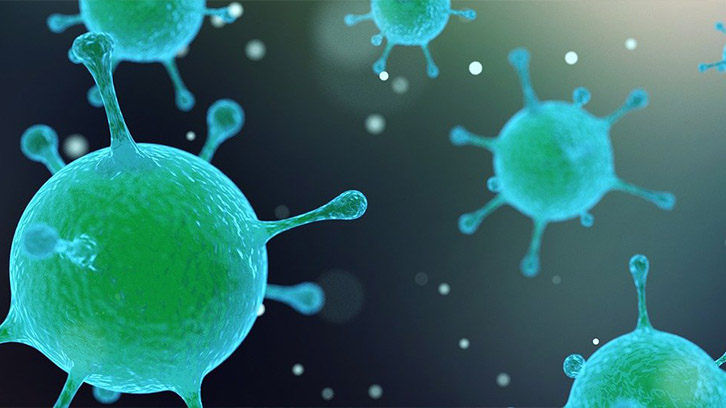
COVID-19 is a respiratory illness caused by SARS-CoV-2, a coronavirus. COVID-19 continues to circulate, and the Pulmonary Fibrosis Foundation (PFF) continues to monitor updates and potential health implications for the pulmonary fibrosis (PF) community in the U.S.
COVID-19 can cause inflammation and injury in the lungs. For some people, it can lead to serious illness, especially those with chronic health conditions. Many people recover without severe complications, but some people can become seriously ill. The risk of severe illness may be higher for people living with pulmonary fibrosis and interstitial lung disease (ILD).
The Centers for Disease Control and Prevention (CDC) has identified people with chronic medical conditions as being at higher risk for severe illness from COVID-19, including those living with PF and other ILDs. If you are at higher risk, consider taking precautions to reduce your chances of getting COVID-19.
Vaccines and staying up to date
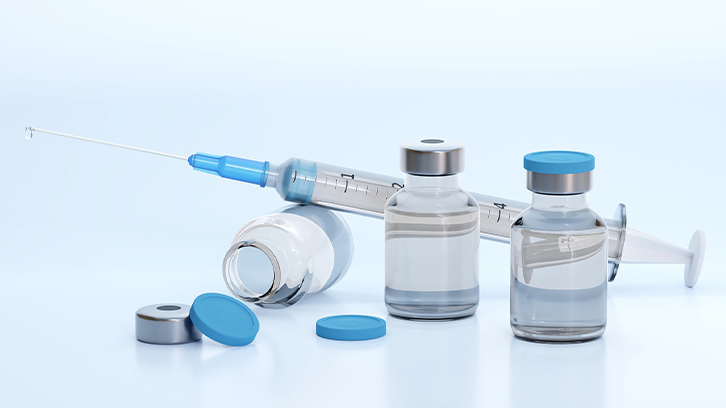
In accordance with CDC recommendations, the Pulmonary Fibrosis Foundation strongly encourages people living with PF and ILD to stay up to date on COVID-19 vaccination, as the benefits far outweigh the risks.
For a helpful overview of recommended vaccines for adults, visit the Children’s Hospital of Philadelphia’s Vaccine Education Center (VEC) adult vaccine guidance page, a widely respected resource for current evidence-based vaccine information. The VEC also provides a comprehensive COVID-19 page. There are very few medical indications to not be vaccinated, and if you have concerns, reach out to your primary care physician and pulmonologist for more information.
Ways to reduce risk
Consider extra precautions, especially in crowded indoor spaces or when respiratory viruses are spreading widely. These may include:
- Staying up to date on recommended vaccines
- Wearing a well-fitting mask in higher-risk settings
- Improving indoor ventilation when possible
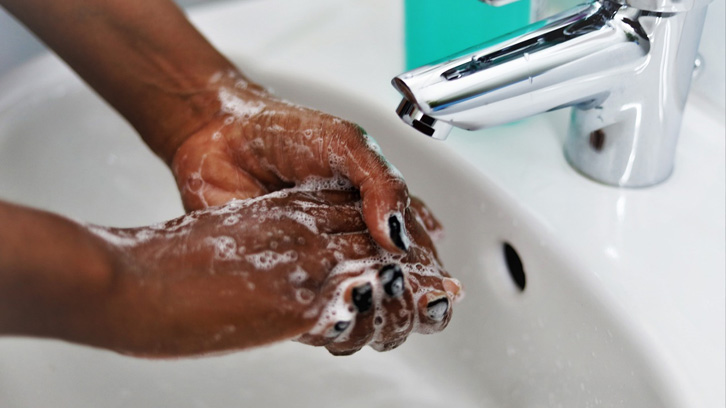
- Washing hands often and avoiding close contact with people who are sick
- Testing when you have symptoms
- Following the guidance of your healthcare team
.jpg?sfvrsn=6e0e598c_0)
Lung transplant recipients
People who who have had a lung transplant should continue to use extra caution, as they may be at higher risk for serious illness. Steps that reduce the spread of respiratory viruses remain important, including wearing a mask in higher-risk settings, improving indoor ventilation, and washing hands often.
Lung transplant recipients may have a lower immune response to the COVID-19 vaccine. They may need more than one dose and should talk to their doctor about additional doses and any medication adjustments around the time of vaccination.
PFF COVID-19 Resources
- Pulmonary Fibrosis Foundation
- MedlinePlus
- World Health Organization (WHO)